top of page
Trusted DMC for
Uzbekistan
-
High-Speed Train Ticketing Between Silk Road Cities
-
Experienced Local Guides for Samarkand & Bukhara
-
Boutique Heritage Hotel Stays with Local Flavors

01
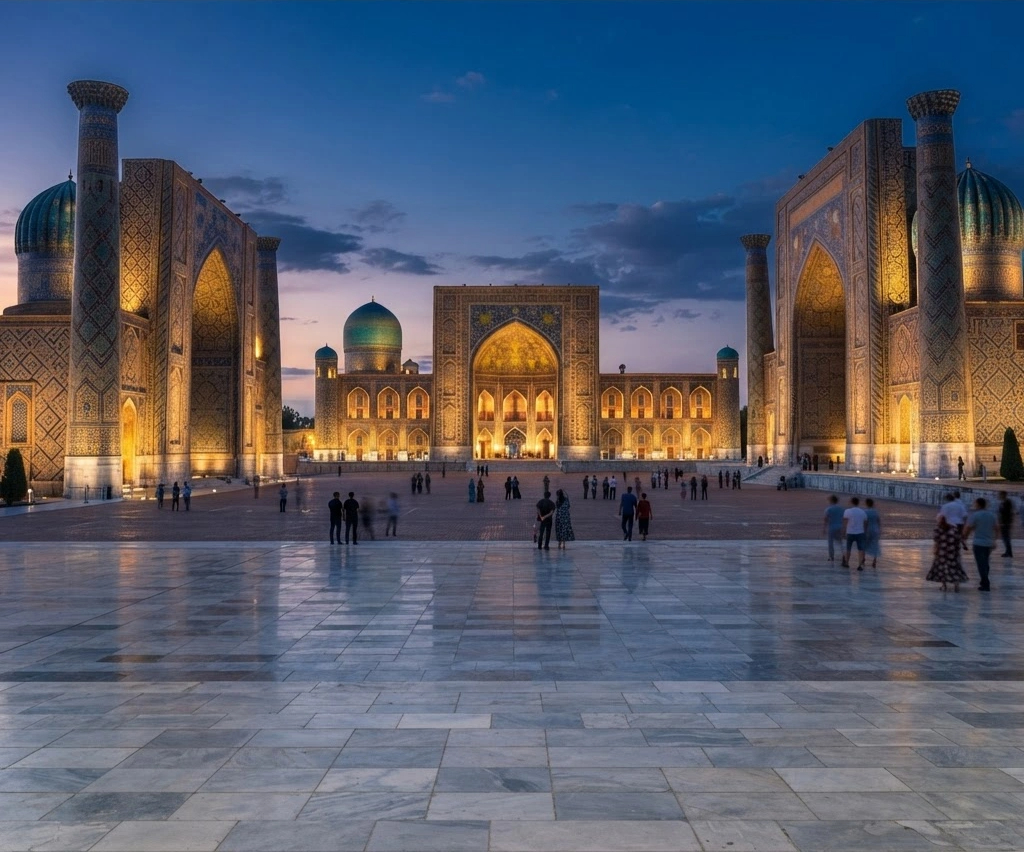
Samarkand – Registan Square

02
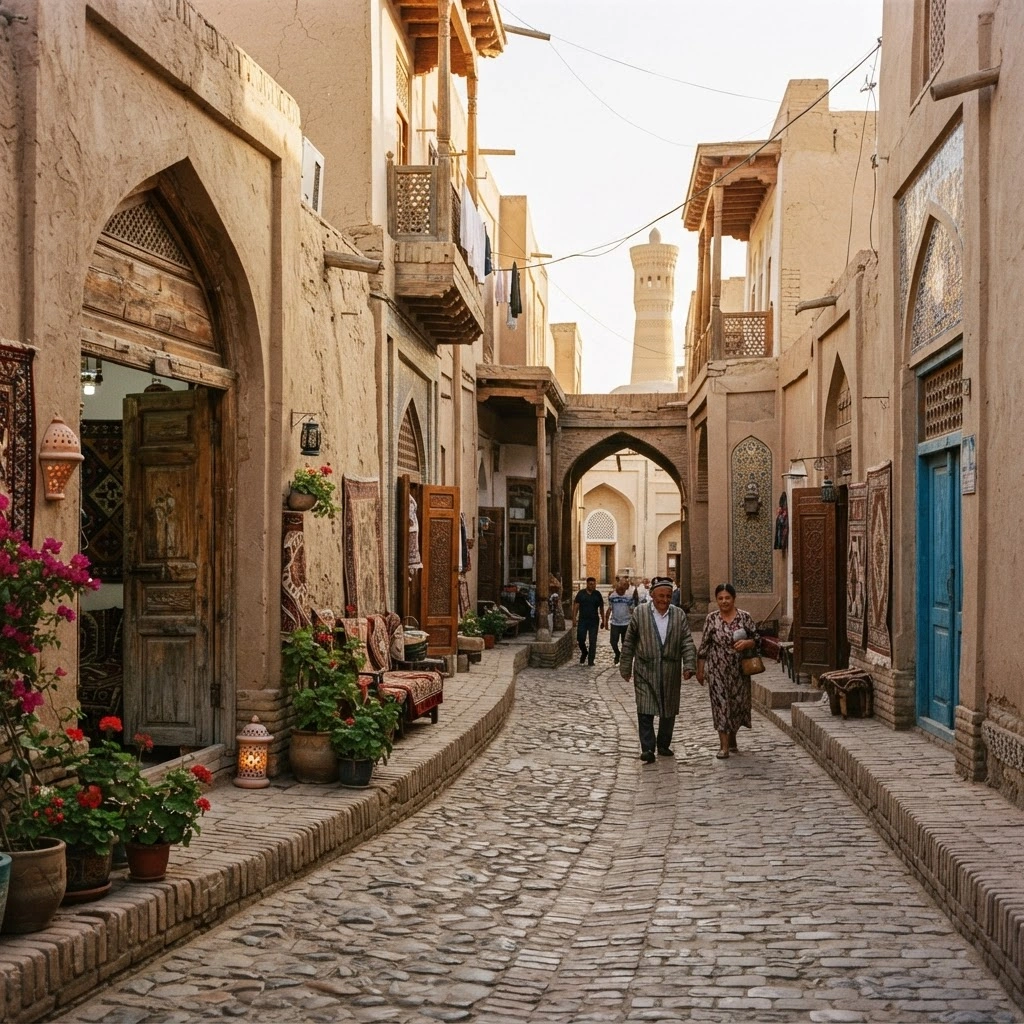
Bukhara – Historic Old Town
Bukhara's Historic Centre, a vast and remarkably intact medieval oasis city in Uzbekistan, was inscribed as a UNESCO World Heritage Site in 1993 for its exceptionally preserved Islamic architecture spanning a millennium of Silk Road history. Unlike most cities, Bukhara was not rebuilt by Soviet urban planners; its historic core remains an active, living urban fabric centered around ancient public squares, engineering masterpieces, and vibrant covered trading domes that have operated continuously for over 500 years.

03
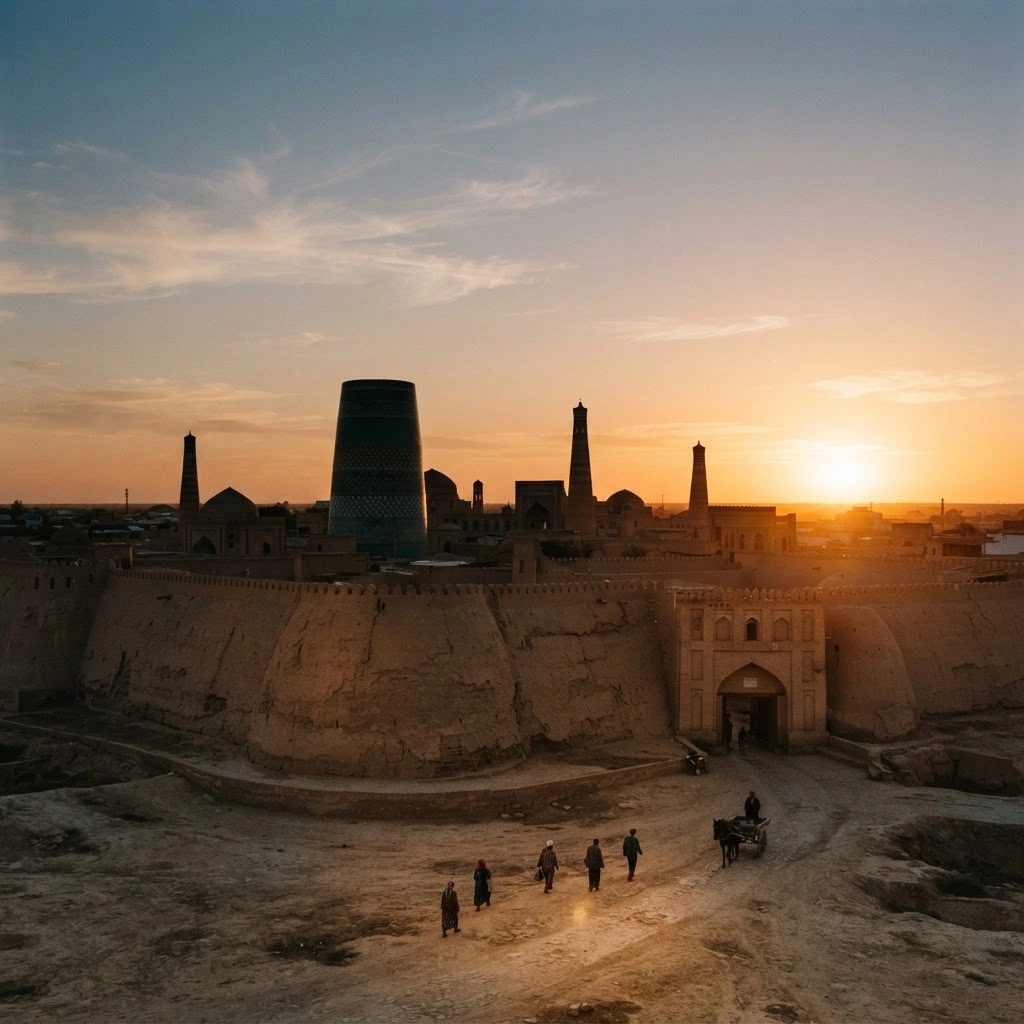
Khiva – Itchan Kala Fortress
Itchan Kala, the inner fortified heart of the ancient oasis city of Khiva, Uzbekistan, was the first site in Central Asia to be inscribed as a UNESCO World Heritage Site in 1990. Enclosed within massive mud-brick walls, this 26-hectare open-air museum acts as a living monument, preserving an intact ensemble of medieval Islamic architecture that once served as the final resting point for trade caravans crossing the desert to Persia.
01 / 03
Samarkand – Registan Square
01
Samarkand – Registan Square
02
Bukhara – Historic Old Town
Bukhara's Historic Centre, a vast and remarkably intact medieval oasis city in Uzbekistan, was inscribed as a UNESCO World Heritage Site in 1993 for its exceptionally preserved Islamic architecture spanning a millennium of Silk Road history. Unlike most cities, Bukhara was not rebuilt by Soviet urban planners; its historic core remains an active, living urban fabric centered around ancient public squares, engineering masterpieces, and vibrant covered trading domes that have operated continuously for over 500 years.
03
Khiva – Itchan Kala Fortress
Itchan Kala, the inner fortified heart of the ancient oasis city of Khiva, Uzbekistan, was the first site in Central Asia to be inscribed as a UNESCO World Heritage Site in 1990. Enclosed within massive mud-brick walls, this 26-hectare open-air museum acts as a living monument, preserving an intact ensemble of medieval Islamic architecture that once served as the final resting point for trade caravans crossing the desert to Persia.
bottom of page